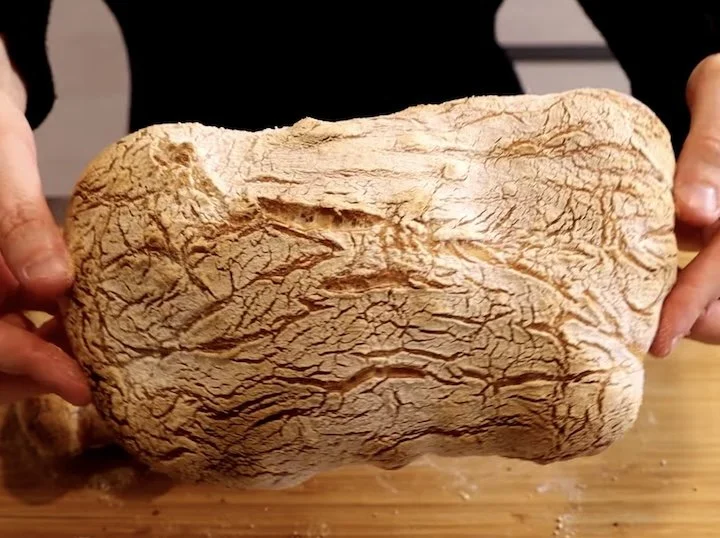
Imagine pulling a warm, crusty loaf of bread from your oven, its aroma filling your kitchen with the promise of deliciousness. Now, imagine that bread is a gorgeous, airy ciabatta, with its signature open crumb and chewy crust, and you made it with just four ingredients and almost no effort. Sound like a dream? For years, the idea of creating authentic, artisan-style ciabatta at home seemed reserved for seasoned bakers with secret techniques and endless patience. I, too, wrestled with dense, brick-like failures, convinced that the coveted air pockets and crackly crust were unattainable without a professional background or a complex starter.
But what if I told you there’s a truly revolutionary method for making easy ciabatta bread that delivers spectacular results every single time? A method so straightforward, it involves minimal hands-on time and only a handful of common pantry staples? This isn't just about baking; it's about unlocking the pure joy of creating something truly special, experiencing the magic of bread-making without the intimidation. Prepare to banish those store-bought loaves from your kitchen forever, because we’re about to embark on a journey to bake artisan-quality ciabatta that’s unbelievably simple, incredibly delicious, and guaranteed to impress.
What Makes Ciabatta So Special? Unveiling the "Slipper" Bread
Before we dive into the simplicity of this game-changing recipe, let's appreciate the bread we're about to master. Ciabatta, pronounced "cha-BAH-tuh," is a celebrated Italian bread whose name literally translates to "slipper." This amusing moniker comes from its distinctive elongated, somewhat flattened shape, reminiscent of a well-worn slipper. But its shape is just one part of its charm.
What truly sets ciabatta apart is its unparalleled texture and structure. It's famous for its exceptionally open, airy crumb, punctuated by large, irregular holes – a baker’s badge of honor! Encasing this tender interior is a wonderfully crisp, often blistered, golden-brown crust that offers a satisfying crunch with every bite. The edges are delightfully chewy, providing a textural contrast that makes it utterly irresistible. This unique combination of an airy inside and a substantial, crackly exterior makes ciabatta far more than just a simple loaf; it’s an experience.
Unlike denser sandwich breads, ciabatta is designed for savoring. Its robust character makes it ideal for dipping in fragrant olive oil and balsamic vinegar, transforming into the perfect canvas for gourmet sandwiches and paninis, or simply serving as an elegant accompaniment to almost any meal. From hearty stews and comforting soups like corn chowder or chili, to fresh, vibrant salads like a Cobb, or even alongside a rich mushroom risotto, ciabatta elevates the dining experience.
The Game-Changer: Why This 4-Ingredient No-Knead Method Reigns Supreme
The allure of artisan bread often comes with a perception of complexity. Traditional bread making can involve extensive kneading, precise hydration levels, and multi-stage fermentation, often requiring a significant time commitment and a bit of guesswork. My own past attempts at traditional ciabatta often ended in frustration, yielding loaves that were too dense, too flat, or simply lacking that signature open crumb.
This is where our easy ciabatta bread recipe truly shines as a culinary revelation. It strips away the intimidating elements of traditional baking, offering an accessible path to incredible results. The genius lies in its simplicity:
- Just Four Ingredients: You likely already have them in your pantry.
- One Bowl, Minimal Mess: All the mixing happens in a single bowl, simplifying cleanup.
- No Kneading Required: The most significant barrier to home bread-making is removed.
- Almost Zero Active Time: A few gentle folds replace strenuous kneading.
- Flexible Timing: Bake it within a few hours for a quicker gratification, or let it ferment overnight for a deeper, more nuanced flavor profile.
The beauty of the "no-knead" method, particularly for a high-hydration dough like ciabatta, is that time does the work of kneading. By allowing the dough to rest, the gluten strands naturally relax, extend, and develop strength without you having to tirelessly work the dough. This patient approach is what allows the signature open crumb and fantastic texture to form effortlessly, ensuring No-Knead Ciabatta Perfection: Crusty, Chewy Italian Bread Made Easy.
The Magic of Minimal Ingredients
You might wonder how just four ingredients can produce such a profound flavor and texture. It's all about quality and interaction:
- All-Purpose Flour: The backbone of the bread, providing the protein necessary for gluten development.
- Water: Crucial for hydrating the flour and activating the yeast. Ciabatta is a high-hydration dough, meaning it uses a lot of water, which contributes to its airy texture.
- Active Dry Yeast: The leavening agent that creates the gas bubbles, responsible for the bread's rise and those beloved air pockets.
- Salt: Essential for flavor, but also plays a vital role in regulating yeast activity and strengthening the gluten structure.
Using good quality ingredients, even simple ones, makes a noticeable difference in the final product. Opt for a reliable brand of flour and ensure your yeast is active for the best rise.
The Art of Resting: Time Over Toil
The core philosophy of this easy ciabatta bread recipe is patience. After a brief initial mix, the dough undergoes a series of gentle folds, typically just 2-3 sets over an hour or two. These folds help to develop gluten structure without tearing the delicate network of air bubbles. The real magic, however, happens during the long rest periods. These periods allow the yeast to ferment slowly, developing complex flavors and gases that create the bread's characteristic open crumb.
You have the flexibility to bake this bread within a few hours for a relatively quick turnaround, or you can opt for an overnight cold proof in the refrigerator. An overnight ferment significantly deepens the flavor profile, adding subtle sour notes and enhancing the bread's overall complexity. This extended rest also makes the dough easier to handle, as the cold slows down the yeast activity.
Achieving That Perfect Ciabatta Texture: Tips from a Home Baker
Once you understand the basic principles, perfecting your homemade ciabatta becomes incredibly rewarding. The goal is that beautifully airy interior, a crisp exterior, a chewy edge, and those dreamy air pockets. Here are some insights and actionable tips to ensure your success:
- Embrace the Stickiness: Ciabatta dough is intentionally very wet – think more like a thick batter than a traditional bread dough. This high hydration is what creates those large, irregular air pockets. Don't be tempted to add more flour during the mixing or folding stages, as this will result in a denser loaf. Use wet hands or a dough scraper to manage the stickiness.
- Handle with Care: The beauty of a no-knead dough lies in its delicate network of air bubbles. When transferring the dough from the bowl, or shaping it, handle it as gently as possible. Avoid pressing out the air; instead, use a light touch to guide it into its slipper shape.
- The Power of Steam: For that crackly, blistered crust, steam in the oven is crucial during the initial baking phase. You can achieve this by placing a pan of hot water on the bottom rack of your oven when preheating, or by misting the oven walls with water after placing the dough inside. The steam keeps the crust soft initially, allowing the bread to expand fully before the crust hardens and develops its signature crunch and color.
- Don't Rush the Cooling: Once out of the oven, it’s tempting to tear right into your warm ciabatta. However, allowing the bread to cool completely on a wire rack is vital. This process, known as "curing," allows the internal moisture to redistribute and the crumb to set properly, resulting in the perfect texture and preventing a gummy interior.
- A Reliable Oven: While not a 'tip' you can change easily, knowing your oven’s hot spots and temperature accuracy can help. An oven thermometer is a small investment that pays off for all baking endeavors. For a comprehensive guide to mastering this artisanal loaf, you can explore resources like Unlock Authentic Ciabatta: Simple Recipe for Effortless Baking.
Serving Your Homemade Ciabatta: Beyond the Basics
The moment you pull your golden, aromatic ciabatta from the oven, you'll understand why this easy ciabatta bread is worth every minute of passive waiting. The possibilities for serving are endless and exciting:
- Classic Dipping: The most iconic way to enjoy ciabatta is torn into rustic pieces and dipped into high-quality olive oil, perhaps with a splash of balsamic vinegar and a sprinkle of sea salt. Simple perfection.
- Garlic & Herb Bread: Slice it horizontally, spread with a generous mix of softened butter, minced garlic, and fresh herbs (like parsley or oregano), then toast until golden and fragrant.
- Sandwich & Panini King: Its sturdy yet tender crumb makes ciabatta ideal for robust sandwiches. Think caprese (mozzarella, tomato, basil), roasted vegetables with pesto, or classic Italian deli meats and cheeses. Its shape is perfect for pressing into warm paninis.
- Accompaniment to Meals: Serve it alongside cozy one-pot dinners such as a rich mushroom risotto, a hearty corn chowder, a spicy chili, or even a refreshing Cobb salad. It’s perfect for soaking up delicious sauces and broths.
- Bruschetta Base: Slice thin, toast lightly, then top with fresh tomato bruschetta, tapenade, or ricotta with honey and nuts for elegant appetizers.
- Croutons: Stale ciabatta makes the absolute best croutons! Cube it, toss with olive oil and seasonings, then bake until crisp.
Store your ciabatta at room temperature, wrapped in a linen towel or paper bag, for 1-2 days. For longer storage, slice and freeze, then toast straight from the freezer whenever a craving strikes.
Gone are the days when artisan bread was an intimidating feat reserved for professional bakers. This easy 4-ingredient no-knead ciabatta recipe democratizes the art of bread-making, proving that a truly magnificent loaf is well within reach for any home cook. With minimal effort and a dash of patience, you can consistently produce a beautifully airy, crusty, and deeply flavorful easy ciabatta bread that will transform your meals and delight your senses. So, gather your simple ingredients, embrace the magic of time, and prepare to impress yourself and everyone at your table with this irresistible homemade marvel.
