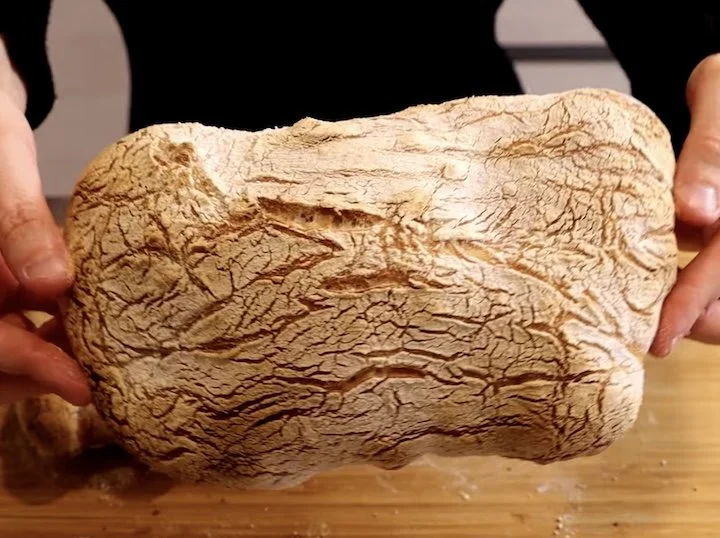
If you've ever dreamt of pulling a warm, crusty loaf of artisan bread from your oven, complete with a beautifully open crumb and that irresistible chewy texture, but felt daunted by complex recipes, then prepare for a culinary revelation. Forget what you thought you knew about traditional bread making. This isn't about wrestling with sticky dough for an hour or deciphering intricate baking techniques. This is about discovering the magic of easy ciabatta bread – a simple, reliable, and utterly satisfying way to bring the taste of Italy right into your kitchen.
Picture this: a bread so light and airy on the inside, speckled with those coveted, irregular holes, encased in a perfectly crisp, golden-brown crust. Each bite offers a delightful chewiness that melts in your mouth, leaving you craving more. This isn't just any bread; it's ciabatta, the Italian slipper bread, reimagined for the home baker who craves authenticity without the fuss. Whether you adore crusty French baguettes, wholesome whole wheat loaves, or indulgent homemade croissants, you are going to fall head over heels for this incredibly simple ciabatta recipe.
What Exactly is Ciabatta Bread? Unveiling the Italian Slipper
Before we dive into the delightful details of crafting your own artisan loaf, let's take a moment to appreciate what makes ciabatta (pronounced cha-BAH-tuh) so uniquely special. Hailing from Italy, its name literally translates to "slipper," a whimsical nod to its distinctive elongated and somewhat flattened shape. But the allure of ciabatta goes far beyond its quaint moniker.
The defining characteristic of true ciabatta lies in its interior – an incredibly open, airy crumb riddled with large, irregular air pockets. This structure is a direct result of its unique, very wet, no-knead dough and a patient fermentation process. The exterior boasts a wonderfully chewy, blistered crust that crackles invitingly with every slice. It’s a bread that is tender, moist, and just begging to be torn, dipped, or used as the foundation for a magnificent sandwich. Unlike denser everyday sandwich breads, ciabatta is meant for savoring, for showcasing its rustic charm and incredible texture.
Historically, achieving this level of artisan quality often involved complex starters like a poolish or biga, and long fermentation times, which scared off many aspiring home bakers. But with the advent of streamlined methods, enjoying authentic ciabatta is now within anyone's grasp. This particular approach to making easy ciabatta bread bypasses those intimidating steps, focusing on minimal ingredients and maximum flavor development through strategic resting periods.
The Allure of No-Knead Ciabatta: Why This Recipe Changes Everything
For the longest time, many home bakers, myself included, believed that truly authentic ciabatta was the exclusive domain of professional bakers. Visions of complicated overnight ferments, endless kneading, and specialized equipment often deterred even the most enthusiastic culinary adventurers. Previous attempts might have yielded dense, brick-like disappointments rather than the airy, hole-filled marvels we craved. The journey to finding a truly simple recipe for effortless baking was often fraught with frustration.
However, this no-knead method for easy ciabatta bread fundamentally changes that narrative. It's not just a recipe; it's a game-changer that unlocks the secret to effortless, authentic ciabatta at home without sacrificing that quintessential Italian charm or incredible texture. The beauty lies in its elegant simplicity:
- Just Four Ingredients: You read that right. Flour, water, yeast, and salt. That's all it takes, and chances are, you already have them in your pantry.
- One Bowl Wonder: All the magic happens in a single mixing bowl, significantly cutting down on cleanup.
- Almost No Active Time: Forget strenuous kneading. This recipe relies on gentle folding and ample resting time, allowing gluten to develop naturally. This minimal effort means you can bake a fresh loaf within a few hours or opt for an overnight cold proof, which deepens the flavor even further over two days.
This method isn't just about baking; it's about the pure joy of creation, the incredible aroma filling your kitchen, and the sheer delight of biting into a slice of crusty, chewy perfection that you made yourself. It's a testament to the fact that you absolutely can achieve that coveted open crumb and rustic crust, and it's far more accessible than you might ever have imagined.
Mastering the Magic: Tips for Your Perfect Easy Ciabatta Bread
While the recipe itself is wonderfully straightforward, a few key insights can elevate your easy ciabatta bread from good to absolutely spectacular. These tips focus on understanding the unique characteristics of ciabatta dough and how to coax the best results from minimal intervention:
Embrace the Wetness
Ciabatta dough is notoriously wet and sticky – this is its superpower! Don't be tempted to add more flour than specified. The high hydration is what creates those characteristic large air pockets and the incredibly tender crumb. Instead of kneading, you’ll perform a series of gentle folds. Using wet hands or a dough scraper can make handling much easier. Think of it less like kneading and more like delicately stretching and folding the dough over itself in the bowl.
Patience is a Virtue (and a Flavor Enhancer)
The true "work" in this no-knead recipe is done by time and yeast. Allow the dough to rest and rise as directed. These resting periods are crucial for gluten development and, more importantly, for developing the complex flavors that make artisan bread so appealing. If you have the luxury of time, an overnight fermentation in the refrigerator can lead to even deeper, more nuanced flavors, giving your bread an extra dimension of deliciousness. For a quicker turnaround, the shorter proofing times still yield fantastic results.
Creating the Perfect Crust: Steam is Your Friend
That beautiful, crackly, blistered crust is achievable in a home oven! The secret lies in creating steam during the initial baking phase. You can do this by placing a pan of hot water on the bottom rack of your oven as it preheats, or by spritzing the oven walls with water immediately after placing the dough inside. The steam helps the crust expand before it sets, resulting in a thin, crisp shell rather than a thick, tough one. Some bakers even throw a few ice cubes onto a hot pan in the oven for a quick burst of steam.
Gentle Handling for a Beautiful Crumb
When it comes time to shape your ciabatta, remember to be gentle. The goal is to preserve as many of those lovely air bubbles as possible. Turn the dough out onto a lightly floured surface, and with floured hands, gently stretch and pat it into a rough rectangular or oval shape. Avoid deflating the dough too much. A light dusting of flour helps prevent sticking without incorporating too much extra flour into the wet dough.
Serving Your Homemade Ciabatta: Endless Possibilities
Once your easy 4-ingredient no-knead ciabatta artisan bread emerges from the oven, golden and fragrant, the real fun begins. Its versatility is one of its greatest strengths:
- Simply Dipped: Slice it thick and serve with a high-quality olive oil and balsamic vinegar for an authentic Italian appetizer.
- Toasted Perfection: Slice and toast with garlic butter for a divine bruschetta base or a simple, savory snack. Top with fresh tomatoes, basil, and mozzarella for a classic crostini.
- Sandwich & Panini King: Its sturdy yet airy structure makes it ideal for hearty sandwiches and paninis. Load it with your favorite deli meats, cheeses, and vegetables.
- Accompaniment Extraordinaire: Ciabatta makes a wonderful side for cozy one-pot dinners like mushroom risotto, a hearty corn chowder, spicy chili, or even a fresh Cobb salad. Its porous texture is perfect for soaking up delicious sauces and broths.
- Breakfast Delight: Even try it toasted with avocado and a poached egg for a gourmet breakfast.
The Ultimate Reward: A Baker's Triumph
Making artisan-quality bread at home doesn't have to be an intimidating endeavor reserved for seasoned bakers. This journey into easy ciabatta bread proves that with just four ingredients, minimal effort, and a little patience, you can achieve results that rival your favorite bakery. The satisfaction of pulling a warm, aromatic loaf from your own oven, knowing you created that incredible crust, that open crumb, and that irresistible flavor, is truly unparalleled. So, gather your simple ingredients, trust the process, and prepare to delight your senses with the ultimate no-knead ciabatta perfection. Your kitchen (and your taste buds) will thank you.
